
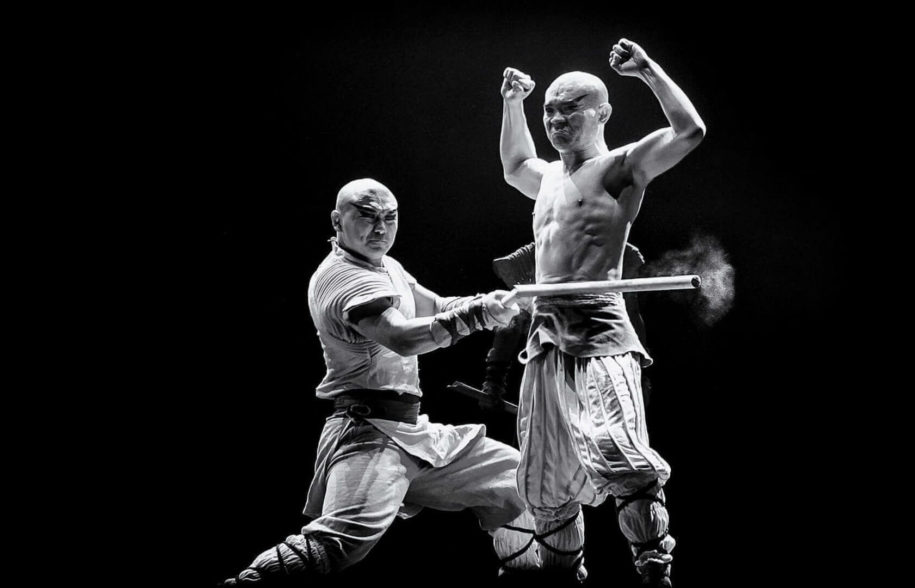
Chinese Kung Fu, also known as Wushu, is more than just a martial art—it is a living tradition, a philosophy, and a cultural treasure that has been honed over thousands of years. From the disciplined halls of Shaolin temples to the graceful movements of Tai Chi practitioners in city parks, Kung Fu embodies strength, precision, and inner balance. This article explores the origins, styles, training, and cultural significance of Chinese Kung Fu.
Origins and History of Kung Fu
The roots of Chinese Kung Fu can be traced back over 4,000 years, blending practical combat techniques with spiritual and philosophical teachings. Ancient texts, folklore, and historical accounts highlight the evolution of martial techniques alongside Chinese culture, medicine, and philosophy. Key milestones include:
- Shang and Zhou Dynasties (1600–256 BCE): Early combat techniques were used for self-defense and military training.
- Shaolin Temple (5th Century CE): Shaolin monks developed sophisticated martial arts systems, combining Buddhist meditation with physical exercises.
- Ming and Qing Dynasties (1368–1911): Martial arts were formalized into distinct styles, with manuals documenting forms and techniques for both self-defense and performance.
Kung Fu was not merely about fighting—it emphasized moral integrity, discipline, and respect for others, reflecting the Confucian and Buddhist philosophies of the time.
Major Styles of Kung Fu
Kung Fu is a diverse system of martial arts with hundreds of styles, broadly categorized into two groups:
1. External Styles (Hard Styles)
These emphasize strength, speed, and agility. They often involve vigorous movements and explosive techniques. Notable examples include:
- Shaolin Kung Fu: Known for acrobatics, punches, kicks, and traditional forms.
- Northern Styles: Famous for high kicks, wide stances, and dynamic footwork.
2. Internal Styles (Soft Styles)
These focus on energy flow, balance, and controlled movements, emphasizing mental cultivation alongside physical training. Examples include:
- Tai Chi: Slow, flowing movements that strengthen the body, mind, and spirit.
- Bagua Zhang & Xing Yi Quan: Circular and linear forms that integrate meditation and breathing with martial techniques.
Every Kung Fu style blends technique with philosophy, reflecting the values and culture of its region of origin.
Training and Discipline
Kung Fu training is rigorous, demanding both physical stamina and mental fortitude. Typical training includes:
- Conditioning and Flexibility: Strength, endurance, and stretching exercises to prepare the body.
- Forms (Kata): Structured sequences of movements that teach precision, timing, and fluidity.
- Sparring: Controlled combat practice to develop reflexes, strategy, and practical application.
- Weapons Training: Swords, staffs, spears, and fans are used to enhance skill, coordination, and confidence.
Students of Kung Fu also learn the principles of mindfulness, respect, and ethical behavior. The combination of physical and mental training is what makes Kung Fu both an art and a way of life.
Philosophy Behind Kung Fu
Beyond its physical prowess, Kung Fu carries deep philosophical meaning:
- Balance and Harmony: Inspired by Taoist and Buddhist beliefs, practitioners aim to harmonize body, mind, and spirit.
- Discipline and Patience: Mastery takes years, with every movement refined through repetition and focus.
- Self-Improvement: Kung Fu is a lifelong journey, teaching resilience, self-control, and moral integrity.
These principles have made Kung Fu a holistic practice, valued not only as a martial skill but also as a path to personal growth.
Cultural Significance
Kung Fu has transcended its martial origins to become a global cultural phenomenon:
- Film and Media: From Bruce Lee to modern action cinema, Kung Fu has influenced popular culture worldwide.
- Tourism and Performance: Kung Fu shows in Beijing, Shaolin, and Wudang attract visitors eager to witness this heritage live.
- Health and Wellness: Practices like Tai Chi are recognized for improving health, flexibility, and mental well-being.
Through performance, competition, and practice, Kung Fu continues to inspire millions globally, preserving the essence of Chinese tradition.
Conclusion
Chinese Kung Fu is more than a collection of fighting techniques—it is a discipline, an art form, and a way of life. Its rich history, diverse styles, rigorous training, and philosophical depth make it one of the most profound cultural treasures of China. Whether you are a martial artist, a cultural enthusiast, or a traveler, exploring Kung Fu offers insight into the strength, wisdom, and artistry that define this ancient practice.
For those in Beijing, witnessing a Kung Fu show at the Red Theatre or visiting Shaolin and Wudang temples provides an unforgettable glimpse into the heart of this living tradition.



Leave a Reply